Sadik Sagar, Dhaka:
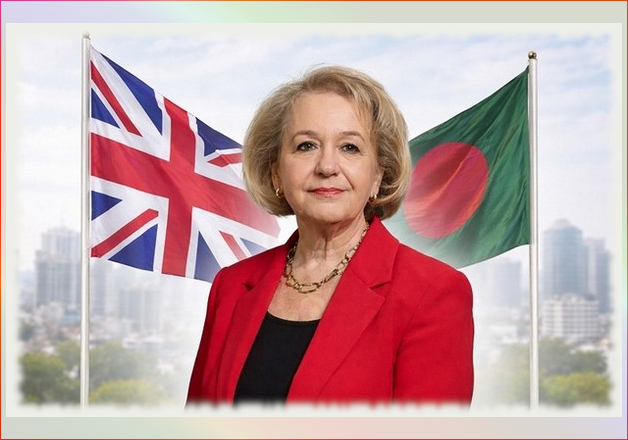
The planned visit of UK Trade Envoy Baroness Winterton to Dhaka this week highlights a deepening phase in economic engagement between Bangladesh and the United Kingdom, with growing emphasis on diversification, investment, and long-term resilience.
The visit comes at a politically and economically significant moment, following the formation of Bangladesh’s new government. It provides an early platform for both sides to align priorities and reinforce continuity in bilateral cooperation. Rather than introducing new frameworks, the engagement reflects a consolidation of existing mechanisms aimed at strengthening trade and investment flows.
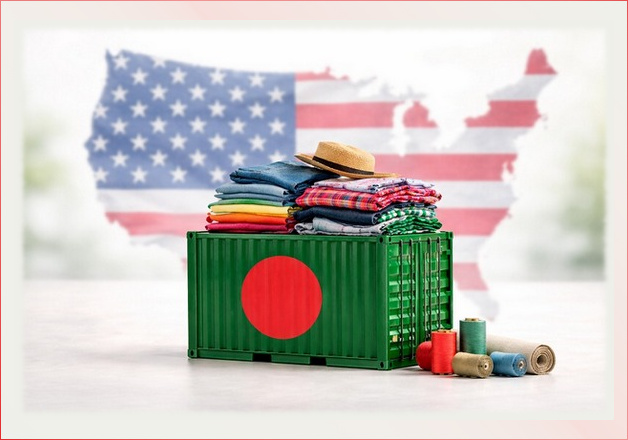
A central element of the relationship is the Developing Countries Trading Scheme (DCTS), under which Bangladesh remains the largest beneficiary. While the scheme continues to support duty-free access—particularly for garments—its broader policy intent is to promote export diversification. Simplified rules of origin and expanded product coverage offer Bangladesh an opportunity to move into higher-value sectors as it prepares for eventual graduation from least developed country status.
However, structural challenges persist. Bangladesh’s export basket remains heavily concentrated in ready-made garments, making diversification a gradual and policy-dependent process. Realizing the full benefits of the DCTS will require improvements in industrial capacity, compliance standards, and trade logistics.
The visit is also expected to focus on expanding bilateral investment. Meetings with business leaders and UK companies operating in Bangladesh signal interest in sectors such as energy, infrastructure, aviation, and higher education. These areas align with Bangladesh’s development priorities and its efforts to attract quality foreign investment that supports technology transfer and productivity growth.
British High Commissioner Sarah Cooke has emphasized “shared growth and prosperity,” reflecting a broader shift from aid-driven relations to a more balanced economic partnership.
Overall, the visit underscores a maturing Bangladesh–UK relationship. Its success will depend on translating policy alignment into tangible outcomes, particularly in export diversification, sustained investment inflows, and economic resilience in an evolving global trade landscape.