Sadik Sagar, Dhaka–
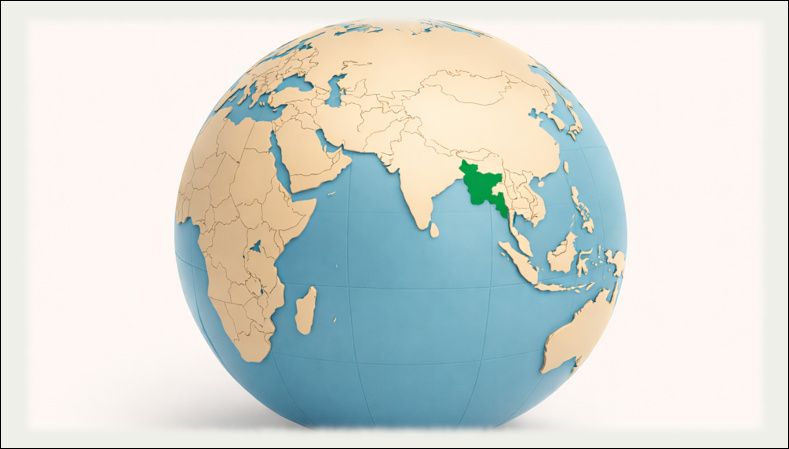
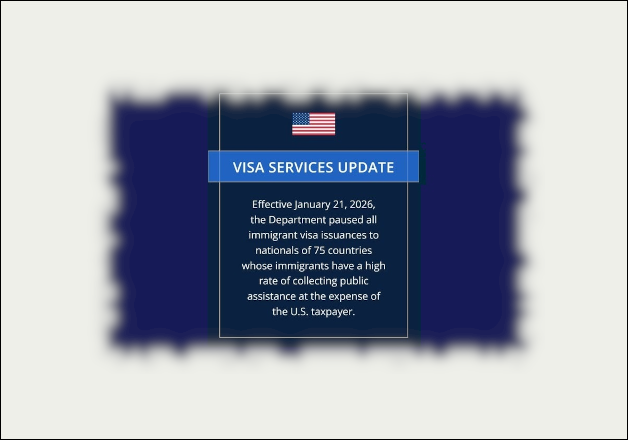
The administration of President Donald Trump has suspended the issuance of immigrant visas for citizens of Bangladesh and 74 other countries, marking a significant tightening of US immigration policy. The decision, announced by the United States Department of State and shared by the US Embassy in Dhaka on February 2, took effect on 21 January 2026.
According to official communication, the suspension applies to countries whose immigrants are assessed as having comparatively higher rates of reliance on government assistance in the United States. While immigrant visas — which allow permanent residence — are affected, non-immigrant categories such as visitor visas remain operational. Applicants may continue submitting immigrant visa applications and attending scheduled interviews, but final issuance will be paused pending further policy review.
The move reflects a broader recalibration of US immigration doctrine centred on financial self-reliance. The administration has reiterated that prospective immigrants must demonstrate the capacity to support themselves and avoid becoming a fiscal burden on taxpayers. Screening and vetting procedures for what officials term “high-risk” countries are also under review, suggesting a potential expansion of economic and security-based eligibility criteria.
For Bangladesh, the implications are both symbolic and practical. The United States remains a major destination for Bangladeshi migrants, including family-sponsored immigrants and employment-based applicants. A prolonged suspension could slow family reunification processes, disrupt long-term migration planning, and affect remittance expectations, although short-term travel and business mobility will continue unaffected.
At a structural level, the policy underscores a shift from humanitarian and family-based immigration priorities toward a more economically filtered system. Critics may interpret the measure as a revival of restrictive immigration trends seen during previous Trump-era initiatives, while supporters are likely to frame it as a fiscal safeguard.
The inclusion of a broad and diverse list of countries — spanning Asia, Africa, Eastern Europe and Latin America — suggests the policy is based on macro-level assessments rather than region-specific concerns. However, the absence of detailed country-by-country metrics leaves room for diplomatic unease and policy ambiguity.
Whether the suspension proves temporary or evolves into a more entrenched immigration framework will depend on forthcoming regulatory clarifications. For now, the decision signals Washington’s intent to redefine immigrant eligibility through the lens of economic sustainability, with tangible consequences for countries like Bangladesh that maintain longstanding migration ties with the United States.
Photo Courtesy: US Embassy Dhaka