Sadik Sagar, Dhaka:
Bangladesh and the European Union (EU) have reaffirmed their commitment to deepening economic engagement, signaling a strategic recalibration of bilateral trade relations as Bangladesh prepares to graduate from the Least Developed Country (LDC) category.
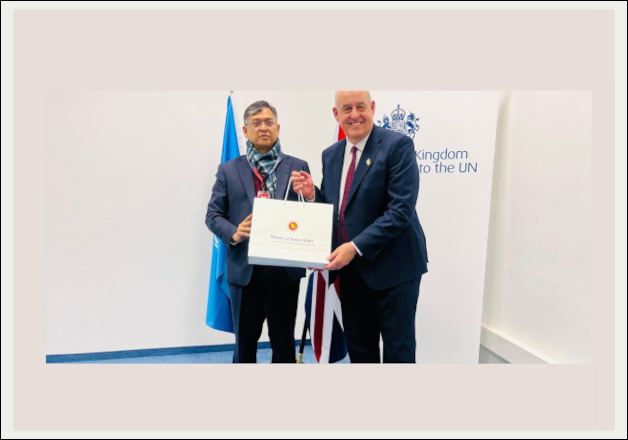
The meeting, held on the sidelines of the 14th WTO Ministerial Conference (MC14) in Yaoundé on March 29, reflects a growing urgency on both sides to redefine trade frameworks in light of Bangladesh’s evolving economic status. Commerce Minister Khandaker Abdul Muqtadir’s call for a three-year extension of the LDC transition period underscores Dhaka’s concern over maintaining export competitiveness—particularly in the readymade garments sector, which remains heavily reliant on preferential market access to the EU.
From an analytical standpoint, Bangladesh’s request is both pragmatic and strategic. The transition from LDC status will gradually phase out duty-free and quota-free access, potentially exposing key export sectors to increased tariffs. A transition extension would provide critical breathing space for domestic industries to adapt, diversify, and move up the value chain.
Equally significant is Bangladesh’s push for early discussions on a Free Trade Agreement (FTA) with the EU. This reflects a broader shift in Dhaka’s trade policy from preference-dependent exports to rules-based bilateral agreements. Ongoing negotiations with countries such as Japan, South Korea, Singapore, and the United Arab Emirates indicate a deliberate attempt to integrate more deeply into global value chains and reduce overdependence on a single market.
The EU’s response—welcoming Bangladesh’s labour reforms and indicating openness to consider the transition extension—suggests a cautiously supportive stance. However, its emphasis on internal processes before advancing FTA talks highlights the procedural and political complexities involved. Brussels appears keen on ensuring that any future agreement aligns with its standards on labour rights, sustainability, and fair competition.
The dialogue also reflects a convergence of interests around transparency, non-discrimination, and a level playing field in trade and investment. For Bangladesh, this presents both an opportunity and a challenge: aligning domestic regulatory frameworks with international expectations while sustaining rapid economic growth.
Overall, the discussions mark a pivotal moment in Bangladesh–EU relations. As Bangladesh moves beyond LDC status, the success of its trade strategy will depend on how effectively it navigates this transition—balancing reform, negotiation, and competitiveness in an increasingly demanding global trade environment.