Sadik Sagar, Dhaka.
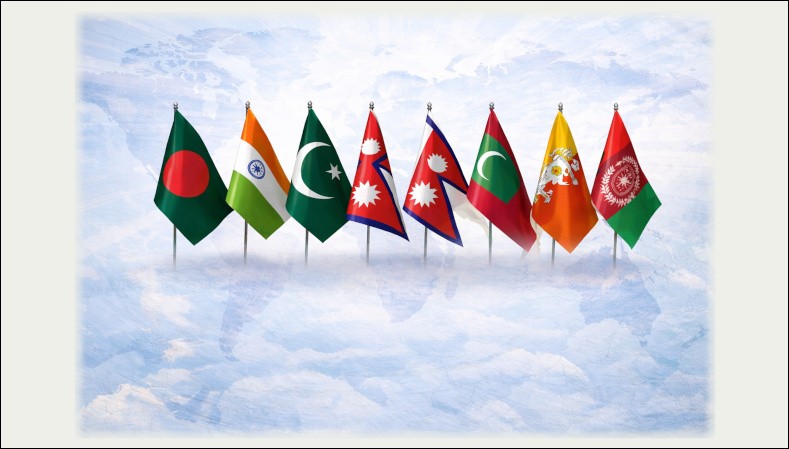
After nearly a decade of dormancy, the South Asian Association for Regional Cooperation (SAARC) has reappeared—symbolically at least—on the diplomatic stage, as Bangladesh’s new government attempts to revive regional engagement. An iftar hosted in Dhaka by Prime Minister Tarique Rahman on March 6 brought diplomats from SAARC member states to the same table, a rare moment of collective presence for a bloc that has remained largely inactive since its last summit in 2014.
SAARC, which includes Bangladesh, India, Pakistan, Nepal, Bhutan, Sri Lanka, Maldives and Afghanistan, has struggled to function effectively due to persistent geopolitical tensions, particularly between India and Pakistan. The absence of summits since 2014 has effectively frozen high-level regional cooperation, even though institutional structures such as the SAARC Secretariat in Kathmandu continue operating.
The latest diplomatic gesture by Dhaka appears to carry both symbolic and strategic significance. The government led by Tarique Rahman has repeatedly emphasized a “Bangladesh first” foreign policy while also signalling a return to the regional diplomatic vision of former president Ziaur Rahman, who originally proposed the creation of SAARC in the early 1980s. Ziaur Rahman’s initiative, pursued through letters to South Asian leaders, eventually led to the formal establishment of the regional body in 1985.
Diplomats interpret the iftar gathering not as a formal revival of the organisation but as a subtle attempt to restore dialogue among regional actors at a time when South Asia remains one of the least integrated regions economically and politically. The presence of key envoys—including Indian High Commissioner Pranay Kumar Verma, Pakistani High Commissioner Imran Haider, Nepalese Ambassador Ghanshyam Bhandari, Bhutanese Ambassador Dasho Karma Hamu Dorji and Sri Lankan Ambassador Dharmapala Weerakkody—at the same table with the Bangladeshi prime minister offered a rare display of regional diplomatic convergence.
Despite the absence of summits, SAARC’s institutional framework has remained partially active. Member states continue to pay annual dues, and several regional centres remain operational across South Asia. Yet political disagreements continue to hinder deeper cooperation. One example is the SAARC Energy Centre in Islamabad, whose activities have stalled due to India’s objections.
Within Dhaka’s diplomatic circles, discussions are now underway on how Bangladesh could help reinvigorate the organisation. Foreign Minister Dr Khalilur Rahman has reportedly sought recommendations from SAARC Secretary General Md Golam Sarwar on possible pathways to restore momentum once the new government fully consolidates its foreign policy agenda.
While significant structural challenges remain—most notably the India-Pakistan rivalry—Bangladesh’s latest diplomatic outreach suggests that Dhaka may attempt to reposition itself as a mediator and convening power in South Asia. Whether such symbolic gestures can translate into concrete regional cooperation, however, will depend largely on the willingness of larger regional powers to re-engage within the SAARC framework.